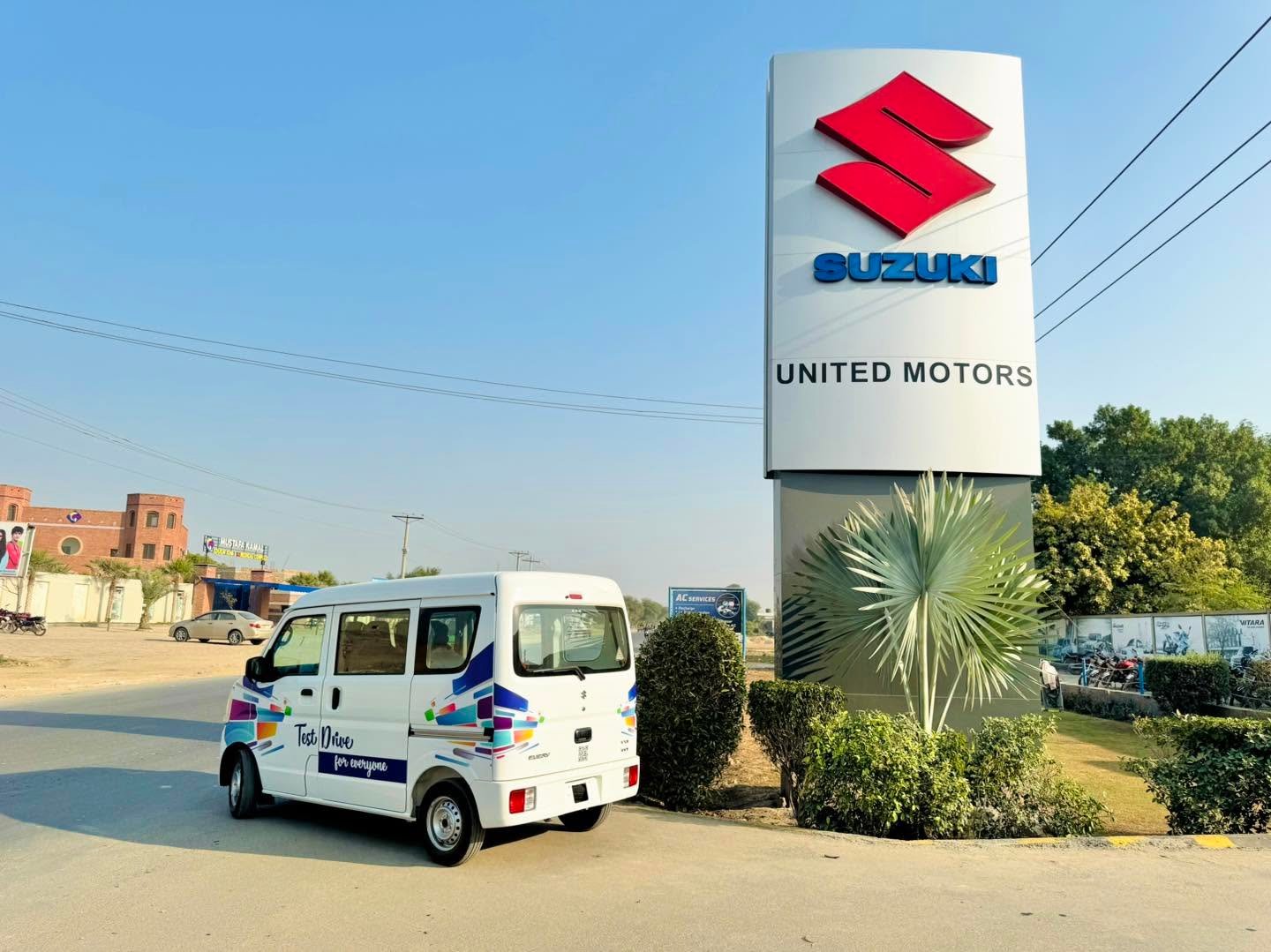
A look into
Bottlenecks &
Incentive System
at Suzuki United Motors
by Amema Rehman (2G United Motors)
THE HOLD-UP
Bottlenecks.
A stage where limited capacity slows the entire workflow, causing delays and a backlog.
I’m still processing!”
Possible bottlenecks at Suzuki United Motors
Pick a hold-up to unpack it.
TWO SIDES OF MOTIVATION
Incentive System

Explore both sides of the scale.
Effort based
Recognise the work that builds results: qualified follow-ups, accurate documentation and skill development.
Result Based
Recognise verified outcomes: completed sales, profitable business and achievement of agreed targets.
Discussion examples of effort and results.
Effort Based
Result Based

Both effort based and results based incentives go hand in hand in creating an effective and efficient incentive system in any organisation but especially in the automobile industry.
A SHARED RESPONSIBILITY
An Effective & Efficient
Incentive System
An effective and efficient incentive system requires effort from both, the dealership and the company. Thus, in order to improve our system at the dealership we have the following suggestions:
SUGGESTION 01
Dealer-funded + PSMC-funded
tactical incentives
Establish a co-funded incentive pool for strategic models.
Example: Every or Fronx
Shared funding strengthens motivation instead of leaving the dealership alone to finance it.
SUGGESTION 02
Model-specific incentives
based on company priorities
Align incentive funding with the models Pak Suzuki wants dealers to prioritise.
01 · Fronx penetration incentive
Focus the tactical incentive on growing Fronx sales.
02 · Every incentive
Support consultants when Every is a company sales priority.
03 · Slow-moving variant incentive
Direct extra motivation towards the variants that need faster clearance.
If Pak Suzuki wants dealers to push a particular model, PSMC’s money should follow PSMC’s priority.
SUGGESTION 03
Incremental-sales incentive
rather than only target achievement
Reward additional sales beyond the normal sales level.
Pak Suzuki should heavily incentivise the additional 50 vehicles.
Illustrative sales volumes. Move the slider to explore the principle.
SUGGESTION 04
BSC should distinguish
controllable from uncontrollable KPIs
Dealer incentives should not be materially damaged by matters outside dealer control.
Click each factor to reveal its potential impact.
Vehicle allocation shortages
Fewer allocated vehicles can limit achievable deliveries.
Production constraints
Factory constraints can restrict the stock dealers receive.
System problems
System interruptions can delay processing and reporting.
Poor lead allocation
Inappropriate leads consume time without creating a fair sales opportunity.
Out-of-territory LQS enquiries
Enquiries outside the dealership’s territory add follow-up workload.
Delayed bank cases
Bank-side processing delays can postpone delivery.
Product availability
Unavailable models or variants can prevent conversion.